Why do we dream?
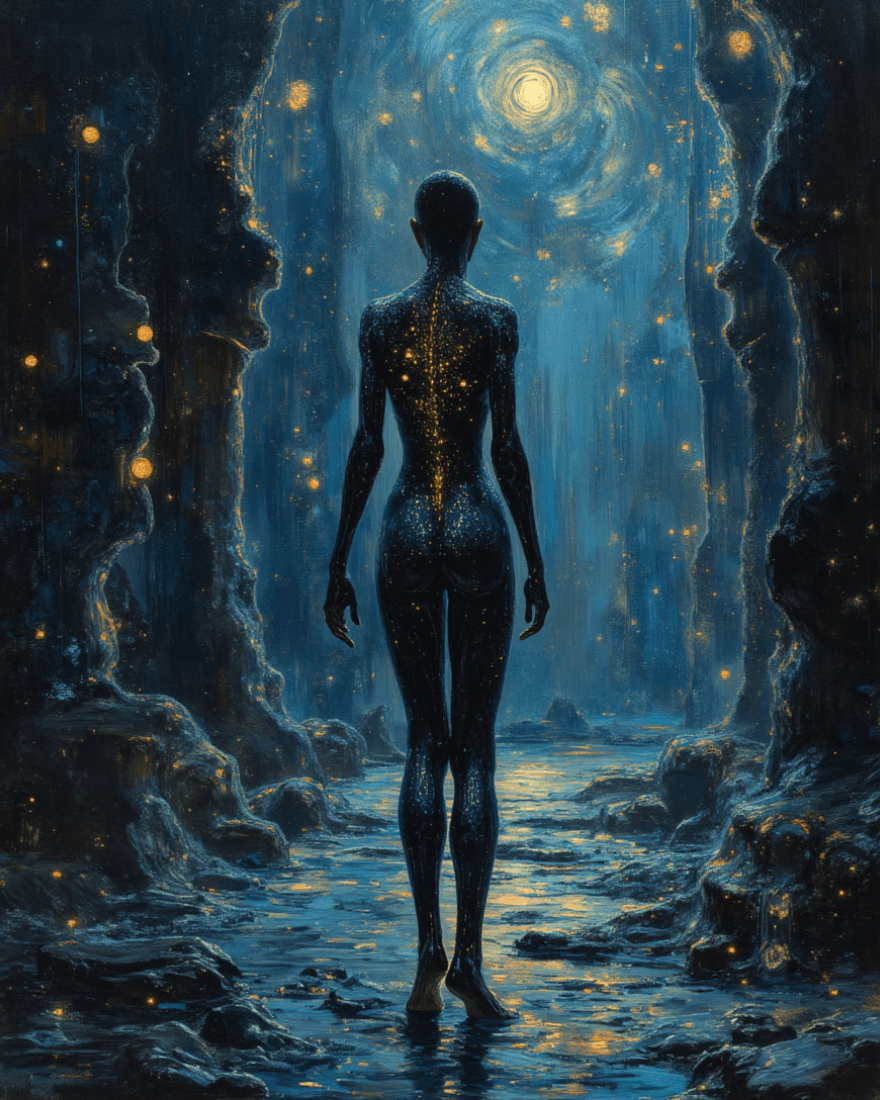
For as long as humans have slept, we have wondered about the secret worlds that bloom behind closed eyes. In ancient temples and sacred texts, dreams were revered as divine messages—prophecies in Mesopotamia, visions of guidance in the Bible and Qur'an, and spiritual lessons in Hindu and Buddhist traditions. Among Indigenous peoples, they have often been seen as journeys of the soul, weaving connections between ancestors, spirits, and the waking self. These cultural and religious perspectives remind us that dreams have long been regarded as bridges between the earthly and the transcendent, carrying meaning far beyond the moment of sleep.
Modern science, meanwhile, peers into the brain to unravel the same mystery. Neuroscientists suggest dreams may emerge as the mind organizes memory, releases emotion, or rehearses life's challenges in symbolic form. Some theories argue they are evolutionary rehearsals for survival, while others view them as the natural poetry of the brain's nighttime rhythms. Yet despite decades of study, science admits what myth has long known: dreams remain elusive, layered, and resistant to a single explanation.
Our Approach
The Dream Dictionary honors this duality—embracing both the mystical wonder and the scholarly pursuit of understanding. We explore dreams as symbolic landscapes shaped by culture, faith, and imagination, while also engaging with psychology and neuroscience to illuminate their patterns. By blending ancient wisdom with modern insight, we invite you to see your dreams not only as private stories of the night, but as part of humanity's ongoing dialogue with mystery.



Wheel of Dreams Selection
Loading featured symbol…
Fetching dream insights…